How to tell if spray foam removal is needed in your loft
Learn the warning signs that mean spray foam removal is needed in your Carlisle loft, from trapped damp and cracked timbers to mortgage survey red flags.
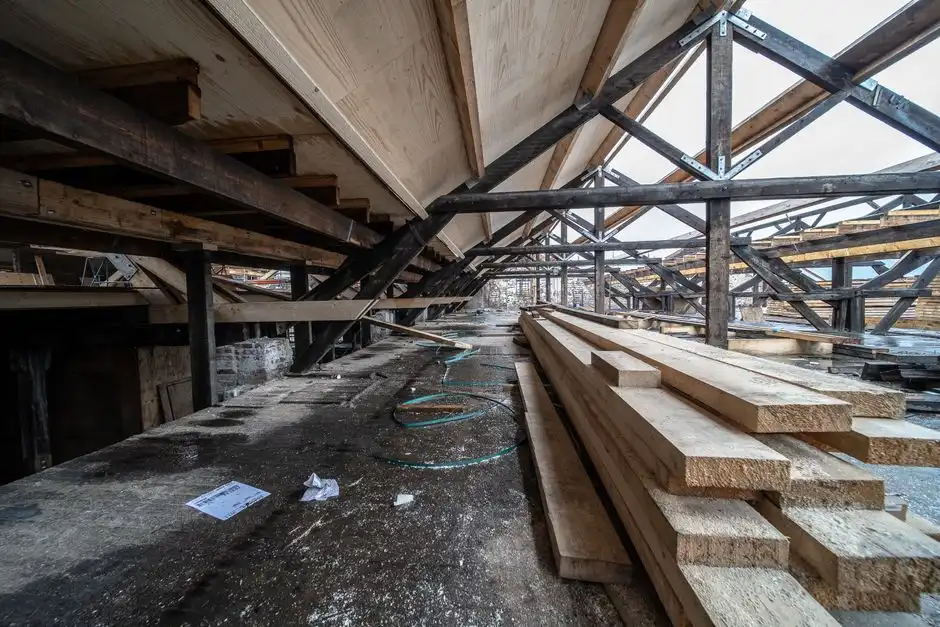
Spray foam removal is needed in your loft when the foam has trapped moisture, cracked or rotted the roof timbers, blocked ventilation, or triggered a mortgage lender's refusal - and any one of those signs means the insulation has to come out rather than be topped up. If you can see condensation on the foam, dark staining on the rafters, or a surveyor has flagged it in writing, you already have your answer. The rest of this guide walks through the specific signs we look for across Carlisle lofts, how to check your own safely, and when it is time to bring in a removal team.
What spray foam removal actually involves
Spray foam removal is the controlled extraction of cured polyurethane insulation from a loft or roof space so the timbers can dry, breathe, and pass inspection again. It is not a case of pulling at the foam with a scraper. The foam bonds to timber, felt, and wiring, so it has to be cut, blasted, or dissolved away in sections without damaging the roof structure underneath.
Most lofts we survey in Carlisle fall into two camps: open cell foam, which is soft and spongy, and closed cell foam, which sets rock hard and is far harder to shift. Open cell usually comes out with mechanical cutting and vacuum extraction. Closed cell often needs dry ice blasting or sand blasting to break the bond without gouging the rafters.
Once the foam is out, we clear the dust, treat any timber that has started to rot, and restore airflow through the eaves. That last step matters more than most homeowners realise - a loft with no ventilation will grow mould again within a single heating season, foam or no foam.
How do I know if my loft spray foam needs removal in Carlisle?
You know your loft spray foam needs removal in Carlisle when three or more of the following are true: the foam feels damp to the touch, the roof timbers behind it are discoloured, the loft smells musty, condensation forms on the underside of the roof felt, or a mortgage lender or surveyor has raised it as a defect. One isolated sign is worth investigating. Three or more together almost always means the foam has to come out.
Carlisle sits in a wet, westerly climate. We get around 1,000mm of rain a year and long spells of damp, still air through autumn and winter. That combination is brutal on spray foam because the foam seals the roof deck and stops moisture escaping. Water vapour from kitchens, bathrooms, and even breathing rises into the loft, hits the cold foam, and condenses. From there it soaks into the timbers.
If you are buying or selling a house, this is often the first thing that surfaces. Lenders including several high street names now routinely refuse mortgages on properties with spray foam under the roof deck unless a qualified contractor has removed it and issued a report. We handle that paperwork as part of our mortgage lender Spray foam removal Carlisle service, and it is one of the most common reasons people call us.
The warning signs we see most often in Carlisle lofts
The signs of spray foam removal being needed in Carlisle lofts tend to cluster around moisture, timber damage, and airflow. Here is what our technicians check on every survey, in the order we check it.
1. Damp or spongy foam
Press the back of your hand against the foam. It should feel dry and firm. If it feels cool, clammy, or gives slightly under pressure, moisture is sitting inside it. In severe cases you can push a finger in and leave a dent that does not spring back.
2. Dark staining or white bloom on the timbers
Pull back a small section of foam where it meets a rafter. Healthy timber is pale and dry. Timber that has been wet for months goes dark brown or black, and you may see a white, powdery bloom - that is mould or salts left behind by evaporating water. Rot usually starts at the rafter feet near the eaves, so check there first.
3. Condensation on the roof felt or sarking
On a cold morning, look at the underside of the roof felt above the foam. If it is beaded with water or dripping, the loft is not ventilating. That water is landing on the foam and running down into the structure.
4. A musty or damp smell in the loft or upstairs rooms
If the spare bedroom smells fusty even after airing, or you notice a damp odour when you open the loft hatch, the foam is likely trapping moisture. This is one of the earliest signs and one of the easiest to miss.
5. Rusted nails, fixings, or pipework
Look at the nails poking through the roof battens and any copper pipework in the loft. Rust and green verdigris are clear evidence of long-term damp. If the nails are shiny, the loft is probably still dry.
6. Cracked or lifting foam
Foam that has shrunk away from the rafters, cracked along its surface, or started to lift at the edges has lost its seal. That is a sign it is no longer doing the job it was installed for, and it is often the point where removal becomes cheaper than repair.
7. A mortgage or surveyor's report flagging it
If a surveyor has written that the spray foam is "not recommended" or the lender has asked for a retention, you need a removal report from a contractor. This is not a judgement call - the lender will not release funds until it is done.
Can I check my loft spray foam myself in Cumbria?
Yes, you can carry out a basic visual check of your loft spray foam yourself in Cumbria, and it takes about 15 minutes. You do not need tools or training for the first pass - just a torch, a dust mask, and a careful eye.
Here is the safe way to do it:
- Wait for a cold, dry morning. Condensation shows up best when the roof is cold and the loft is warm.
- Put on a dust mask and gloves before you go up. Old spray foam can shed fine particles.
- Stand on the joists or a boarded walkway - never on the plasterboard between them.
- Shine the torch along the underside of the roof felt and look for water beads or staining.
- Check the rafters where the foam meets the timber for dark patches or white bloom.
- Press the foam in two or three places with the back of your hand and note whether it feels damp.
- Smell the air. A musty, earthy smell is a strong indicator.
- Photograph anything you find so you can compare it in a few weeks.
What you should not do is pull large sections of foam away from the roof. Closed cell foam is structural in some installations, and pulling it can dislodge tiles or felt above. If you want a proper answer rather than a hunch, book an insulation assessment Carlisle and we will survey the whole roof space, including the parts you cannot safely reach.
What to watch out for when assessing your own loft
The biggest mistake homeowners make is assuming a dry-looking patch of foam means the whole loft is fine. Moisture moves. It collects at the coldest point, which is usually the eaves and the north-facing slope, and those are exactly the areas that are hardest to see from the hatch.
Other things to watch for:
- Judging by smell alone. A loft can smell fine and still have damp timber behind the foam.
- Assuming newer foam is safe. We have removed foam installed as recently as three years ago that had already trapped water.
- Confusing surface mould with rot. Surface mould wipes off. Rot is soft and crumbles - that needs treatment, not just cleaning.
- Topping up insulation over damp foam. Adding more insulation on top of wet foam traps the moisture in and speeds up timber damage. If the foam is wet, it has to come out first.
- Ignoring a lender's letter. A retention on a mortgage does not go away on its own, and the longer it sits, the more the timber deteriorates.
If you are in an older Carlisle property - a Victorian terrace or a 1930s semi - the roof structure is often original and more vulnerable to damp than a modern trussed roof. We see this constantly in the older streets around Denton Holme Spray foam removal, where slate roofs and ageing felt meet foam that was sprayed in during the 2010s insulation boom.
When to call a professional
Call a professional the moment you find damp foam, discoloured timbers, or a lender's request for removal. Those three situations are not DIY jobs. Removing foam properly means cutting it away without cracking tiles, extracting the dust with negative-pressure equipment, treating any rot, and reinstating ventilation so the problem does not come back.
We also get called when homeowners are simply unsure. A survey costs far less than a failed mortgage application or a roof repair, and it gives you a straight answer either way. Our team at Spray Foam Sphere UK carries out loft, roof, and cavity wall surveys across Carlisle and the surrounding villages, and we tell you plainly whether the foam can stay or has to go.
If the foam is in a commercial building - a warehouse, office, or workshop - the same signs apply, but the scale and the access requirements are different. We cover those jobs through our commercial Spray foam removal Carlisle service, working around your operating hours so the building stays usable.
Frequently Asked Questions
How do I know if my loft spray foam needs removal in Carlisle?
Check for damp foam, dark or mouldy timbers, condensation on the roof felt, a musty smell, and any lender or surveyor's note. Three or more of those together means removal is needed. A professional survey confirms it in about an hour.
What are the signs of spray foam removal needed in Carlisle?
The clearest signs are wet or spongy foam, black staining on rafters, rusted nails, cracked or lifting foam, and condensation dripping from the roof felt. In Carlisle's wet climate, moisture damage is the number one indicator we find.
Can I check my loft spray foam myself in Cumbria?
Yes. On a cold morning, use a torch and dust mask to check for damp patches, staining, and condensation. Do not pull foam away from the roof. If anything looks wrong, book a professional survey rather than guessing.
How much does spray foam removal cost in Carlisle in 2026?
Typical 2026 pricing for a standard domestic loft in Carlisle runs from around £1,800 to £4,500, depending on the foam type, the size of the roof, and whether timber treatment is needed. Closed cell foam costs more to remove than open cell.
How long does loft spray foam removal take?
Most domestic lofts take one to two days on site. Larger roofs, closed cell foam, or jobs needing timber treatment can run to three days. We clear the dust and leave the loft ready for new insulation before we finish.
Get help with Spray foam removal in Carlisle
If you have spotted damp foam, stained timbers, or a lender's letter sitting on the kitchen table, we can survey your loft and tell you exactly what needs to happen. Our team covers Carlisle and the whole of Cumbria, and we handle everything from the initial check to the final report.
Call us on 0122 891 5049 to book a loft survey or to talk through what you have found.