Mortgage refused due to spray foam in the roof
We remove the foam, photograph the exposed structure and supply a report that satisfies high-street lenders. Most Carlisle sales we deal with are back on track within a week of extraction.
Our insulation removal service in Carlisle, Cumbria, strips failed spray foam from lofts, rafters and cavity walls so your property can be surveyed, mortgaged and re-insulated properly. We handle open cell and closed cell foam, overspray and contaminated insulation across City Centre, Botcherby, Currock and beyond. If a lender has flagged spray foam on your survey, we can help you move forward.
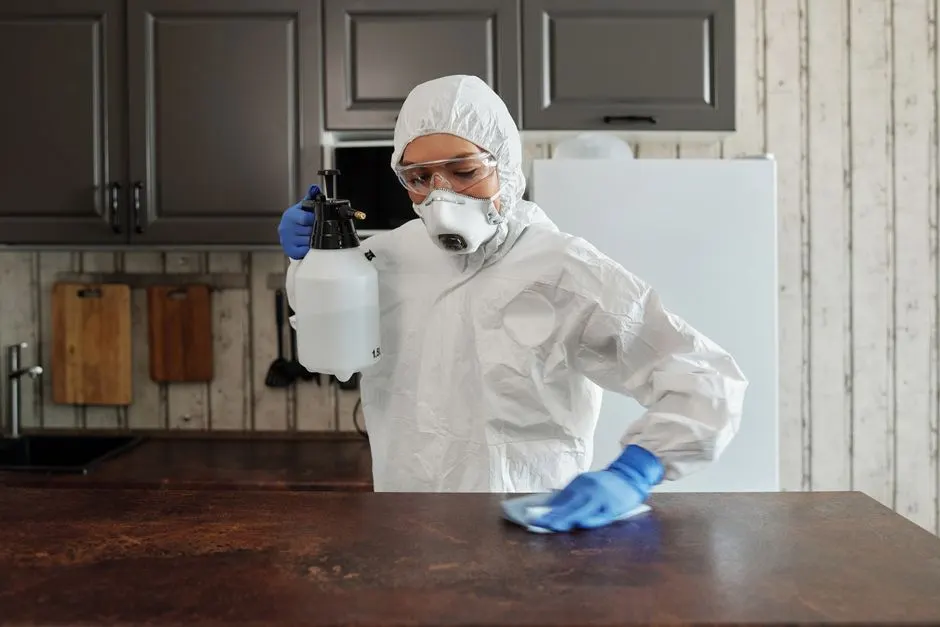
An insulation removal service in Carlisle, Cumbria is the controlled extraction of spray foam, loose fill and contaminated insulation from lofts, roofs and cavity walls. We start with a thermal imaging camera survey to map where foam sits and how deep it has bonded. Then we cut, blast or vacuum it out, bag it, and leave the timber clean enough for a surveyor to inspect. Open cell foam comes out faster than closed cell; closed cell polyurethane often needs mechanical cutting before extraction.
Most Carlisle homeowners call us because a mortgage lender has refused to lend on a spray-foam-insulated property, or because loft condensation and roof timber rot have appeared after a bad install. Older terraces around Denton Holme and Currock are especially prone to trapped moisture once foam seals the rafters. We also handle spray foam overspray on cables and trusses, plus difficult removal from tight eaves where expanding foam has crept into gaps.
Every job is priced as a complete extraction package, not a list of extras. You get the survey, the removal, the clean-up and the paperwork in one fixed figure. Re-insulation, boarding and roof repairs are quoted separately if you want them done at the same time.
We map the foam and check for trapped moisture with a thermal imaging camera before any cutting starts. You see the images and get a clear explanation of what we found and what needs to come out.
Negative air machines, air scrubbers and sealed doorways keep foam dust and isocyanate particles out of your living space. Technicians wear full PPE respirators throughout, and we vacuum every surface before we finish.
All foam, debris and contaminated insulation is bagged on site and removed in our vans. You receive a waste transfer note confirming lawful disposal, which lenders and surveyors sometimes ask to see.
Once the foam is off, we photograph and document the condition of rafters, battens and felt. Any rot, staining or pest damage is flagged so you can decide on repairs before re-insulating or selling.
You get before-and-after photographs, a summary of the foam type removed, the waste transfer note and our contact details for any follow-up questions. Everything a lender, insurer or surveyor needs in one folder.
We attend your property, usually within 48 hours of your call. A thermal imaging camera shows exactly where foam has been applied and whether moisture is trapped behind it. You get a written fixed price the same day, covering extraction, disposal and clean-up.
Before any cutting starts, we lay dust sheets, seal doorways and set up a negative air machine with an air scrubber. This keeps foam dust and isocyanate particles out of your living space. Our technicians wear full PPE respirators whenever they are inside the loft.
Open cell foam is cut with an oscillating multi-tool and pulled away by hand. Closed cell foam is sliced with a spray foam removal saw, then broken up with a dry ice blasting machine or sand blasting equipment where it has bonded hard to timber. An industrial vacuum collects every fragment.
Once the foam is off, we inspect rafters, battens and felt for rot, moisture staining or pest damage. Anything suspect is photographed and flagged in your report. You will know exactly what condition your roof structure is in before you re-insulate or sell.
We bag all waste, remove it from site, and vacuum the loft floor. You get a handover pack with before-and-after photos, a waste transfer note and a summary of what was removed. Most lofts take one to two days; larger roofs can run to three.
Purpose-built equipment, used by trained technicians — so the job is done accurately the first time.
Freezes closed cell foam so it turns brittle and lifts off timber without gouging the wood. Ideal around cables and trusses where a saw is too risky.
Cuts through thick closed cell polyurethane foam in straight, controlled passes. We use it to slice foam into manageable blocks before extraction.
Reaches into eaves, around pipes and between rafters where a full saw will not fit. It removes open cell foam cleanly without damaging adjacent timbers.
Collects foam fragments, dust and loose fill as we work. Every job ends with a full vacuum pass so no foam crumbs are left behind.
Keeps foam dust and isocyanate particles inside the work zone and filters the air. Essential on every internal loft job in an occupied home.
Maps foam coverage and reveals trapped moisture behind it before we cut. It shows us exactly where the problems are, so we do not remove more than necessary.
Full-face respirators protect our technicians from isocyanate dust and airborne foam particles. We wear them whenever we are inside a loft or roof space.
A three-bed terrace in Stanwix had closed cell foam sprayed across every rafter. The buyer's lender refused to value the property, and the surveyor flagged trapped moisture and early staining on two rafters.
We extracted the foam over two days, dried the timbers and photographed the exposed structure. The staining was surface-level only. The lender released funds four days after receiving our report.
A landlord's rental property had foam trapping water against the felt, and drips were staining the ceiling below. Two rafters showed soft patches, and the tenant had been complaining about damp for months.
We cut out the foam, used dry ice blasting on the sections bonded to cables, and dried the roof space with air movers. The two soft rafters were replaced by a joiner, and the ceiling was redecorated.
A 600 square metre warehouse roof in Kingstown had failed closed cell foam across most of its span. The operator could not shut the unit down, and the foam was shedding dust onto stored stock.
We phased the extraction over four visits, section by section, using negative air machines to contain dust. All 600 square metres were cleared, and the operator never lost a working day.
Spray foam goes wrong in predictable ways, and Carlisle's wet climate makes every one of them worse. These are the problems we are called out to fix most often across the city.
Ask a pro →We remove the foam, photograph the exposed structure and supply a report that satisfies high-street lenders. Most Carlisle sales we deal with are back on track within a week of extraction.
Extraction restores airflow through the loft. We dry the timbers, check for rot and leave the roof able to breathe again. If new insulation is needed, we can quote for a breathable alternative.
We cut or blast the foam away, expose the timbers and document the extent of any rot. You get a clear picture of what a roofer or joiner needs to replace before the damage spreads further.
Our technicians cut carefully around cables and use dry ice blasting where cutting tools are too risky. We free the services, remove the foam and leave the wiring accessible for your electrician.
Most loft extractions in Carlisle cost between 900 and 2,400 pounds, depending on foam type, roof size and access. Closed cell foam takes longer to cut and remove than open cell, so it sits at the upper end. Warehouse and commercial roofs are priced per square metre after survey. We give you a fixed written price before any work starts, and that price includes disposal.
Our insulation extraction service in Carlisle includes a thermal imaging survey, full site protection, foam removal by cutting, blasting or vacuuming, timber inspection, waste disposal and a handover pack with photographs. We also supply a waste transfer note. Re-insulation, boarding and roofing repairs are separate, but we can quote for them at the same time if you want.
Yes. We remove open cell spray foam, closed cell polyurethane foam, loose fill, mineral wool and contaminated insulation from lofts, roofs, cavity walls and warehouses. Closed cell foam from brands like BASF, Dow and Recticel is the hardest to shift, but our dry ice blasting machine and sand blasting equipment handle it. If foam has bonded to cables or trusses, we cut around them carefully.
A typical terraced loft in Carlisle takes one to two days. Larger detached roofs or heavy closed cell coverage can take three days. Commercial warehouse roofs are usually scheduled over several visits. We confirm the expected duration in your quote so you can plan around it, and we work around your schedule where possible.
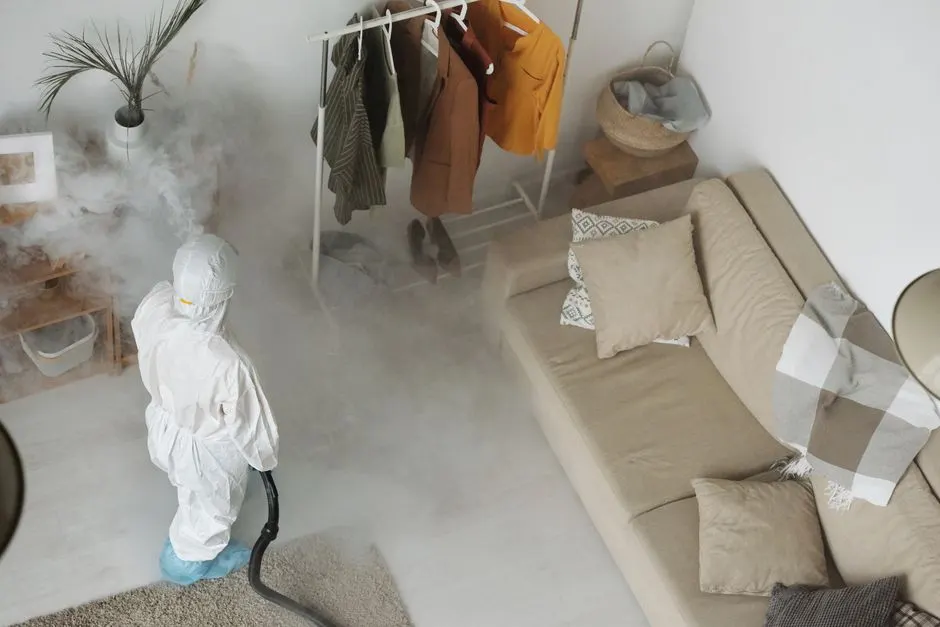 Spray Foam Removal near meIf you are searching for spray foam removal near me in Carlisle, this is the core service. We locate foam with thermal imaging, cut it out and dispose of it properly, leaving your loft ready for inspection or re-insulation.Explore →
 Same day Spray Foam RemovalWhen a lender or buyer needs an answer today, our same day spray foam removal team can mobilise across Carlisle. We keep emergency slots open for urgent surveys and last-minute valuation deadlines.Explore →
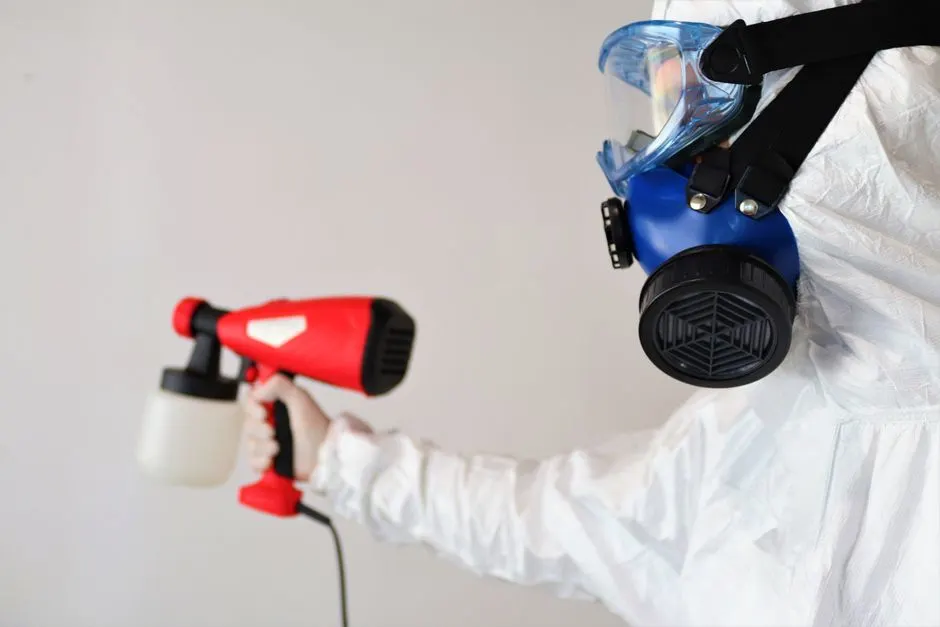 24/7 Spray Foam RemovalRoof leaks and storm damage do not wait for office hours. Our 24/7 spray foam removal line is answered around the clock, and we can attend urgent call-outs across Carlisle and the surrounding Cumbria area.Explore →
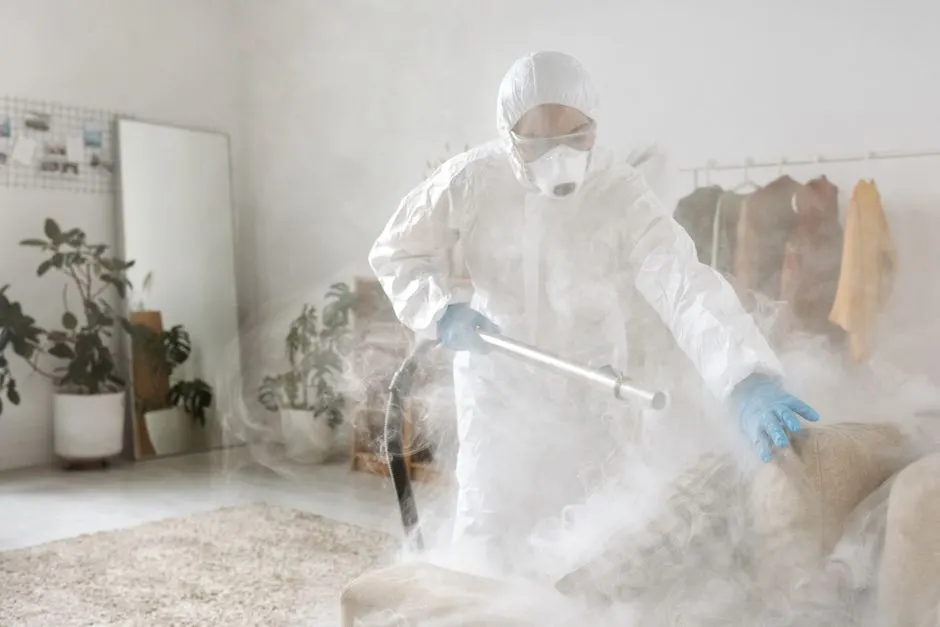 Residential Spray Foam RemovalHouses, bungalows and terraces across Carlisle make up most of our work. Residential spray foam removal covers lofts, rafters, cavity walls and any overspray on cables or pipework, all done with dust control in place.Explore →
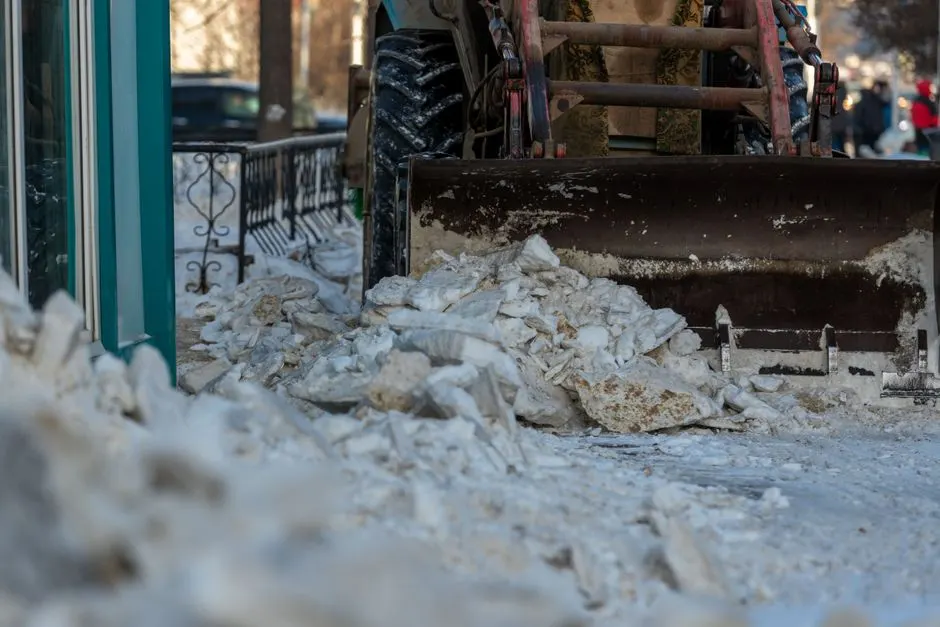 Commercial Spray Foam RemovalWarehouses, farm buildings and industrial units in and around Carlisle often carry thick closed cell foam. Commercial spray foam removal is priced per square metre and scheduled to avoid disrupting your operations.Explore →
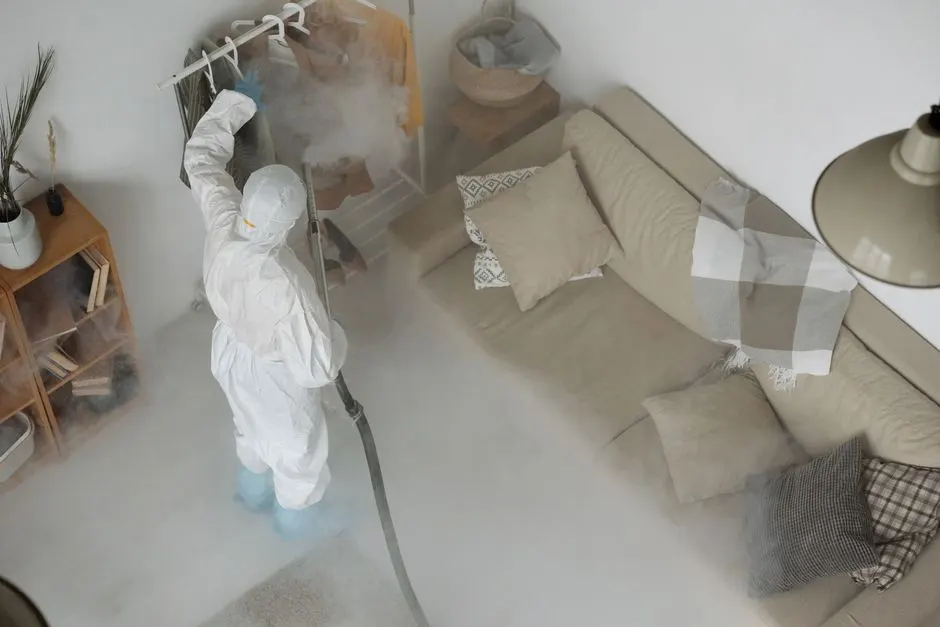 Loft Spray Foam RemovalLoft spray foam removal is our most common job in Carlisle. We clear foam from rafters, joists and felt, inspect the timbers for rot, and leave the loft clean enough for a surveyor or a new insulation install.Explore →
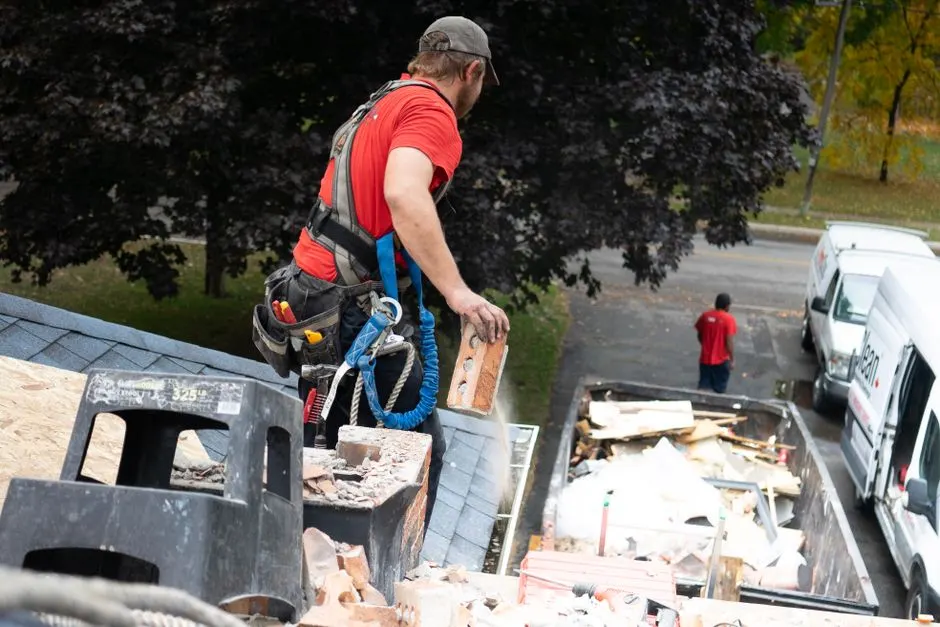 Roof Spray Foam RemovalFoam applied directly to the underside of roof tiles or felt traps moisture and causes rot. Roof spray foam removal restores airflow, lets the roof dry out and gives you a structure that can be repaired or re-covered.Explore →
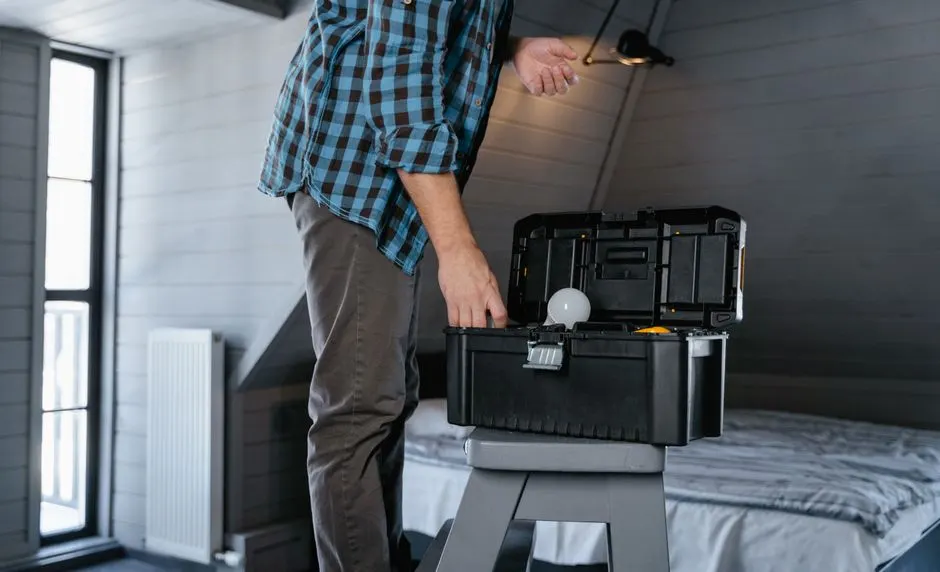 Attic Spray Foam RemovalAttic spray foam removal follows the same method as loft work but often involves tighter access and older timbers. We use compact cutting tools and industrial vacuums to clear foam from spaces where a standard vacuum will not fit.Explore →
Call 0122 891 5049 and we will book a survey, usually within 48 hours. You get a fixed written price, dust-controlled extraction and a lender-ready report. Same-day and 24/7 slots are available for urgent mortgage deadlines.
Get a Fixed Quote 0122 891 5049 →Call 0122 891 5049 or email [email protected] and we will get back to you the same working day. We cover all CA postcodes and can usually survey your loft within 48 hours. For emergency spray foam removal Carlisle 24/7, call any time.